• Shoe Polish
  • About
  • Contact
  • Privacy Policy
   
  • Shoe Polish
  • About
  • Contact
  • Privacy Policy

Shoe Polish

​Shoe polish is a substance applied to leather footwear to improve appearance, restore color, and provide protection from water and wear. It's primarily used on leather shoes, boots, and sometimes bags or belts.
🧪 Types of Shoe Polish
  1. Wax-Based Polish
    • Composition: Wax (like carnauba or beeswax), turpentine, and dyes.
    • Purpose: Adds a high gloss shine, water resistance, and protection.
    • Best For: Dress shoes, formal leather footwear.
    • Finish: Hard, glossy, and protective.
  2. Cream Polish
    • Composition: Emulsified wax, water or oil base, pigment, and conditioning agents.
    • Purpose: Restores color and moisturizes leather; provides mild shine.
    • Best For: Keeping leather supple and colored.
    • Finish: Soft luster, nourishes leather.
  3. Liquid Polish
    • Composition: Water-based polish with pigment and solvents.
    • Purpose: Quick shine, easy to apply.
    • Best For: Casual or synthetic leather; not ideal for premium leather.
    • Finish: Shiny, but short-lived.
  4. Paste Polish
    • Similar to wax but thicker; gives stronger protection and longer shine but requires more effort to buff.
🧴 Key Ingredients in Shoe Polish
  • Waxes: Provide shine and water resistance.
  • Solvents: Help spread the polish (e.g., turpentine, naphtha).
  • Pigments: Restore and enhance color.
  • Conditioners: Keep leather soft and prevent cracking (more common in creams).

🧰 Tools & Accessories
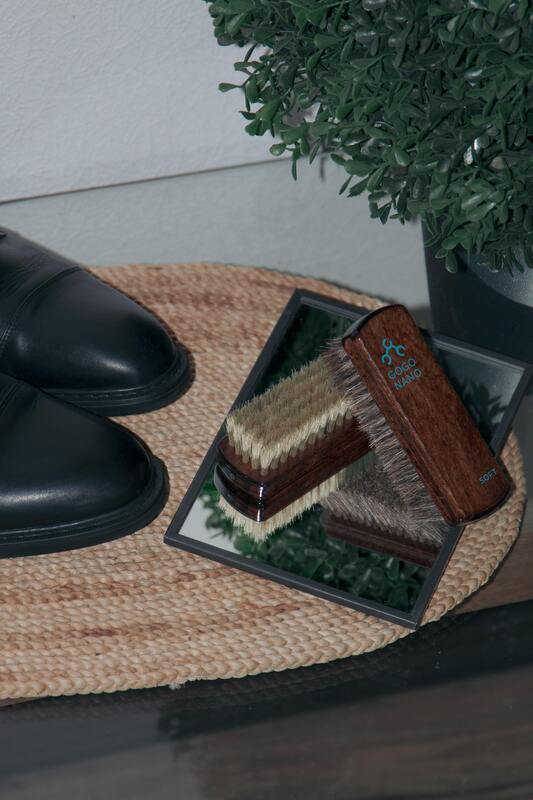
  • Horsehair Brush: For buffing and removing dust.
  • Applicator Brush/Dauber: For applying polish evenly.
  • Soft Cloth (e.g., cotton or microfiber): For applying and buffing cream or wax.
  • Edge Dressing or Sole Paint: For finishing the sole edges.
  • Leather Cleaner or Saddle Soap: Used before polishing to clean the leather.
Picture
Picture
🧼 How to Polish Shoes (Step-by-Step)
  1. Clean the Shoes
    • Remove laces.
    • Brush off dirt and dust with a dry brush.
    • Use saddle soap if needed to deep clean.
  2. Apply Conditioner (Optional)
    • If the leather is dry or cracked, use a leather conditioner before polish.
  3. Apply the Polish
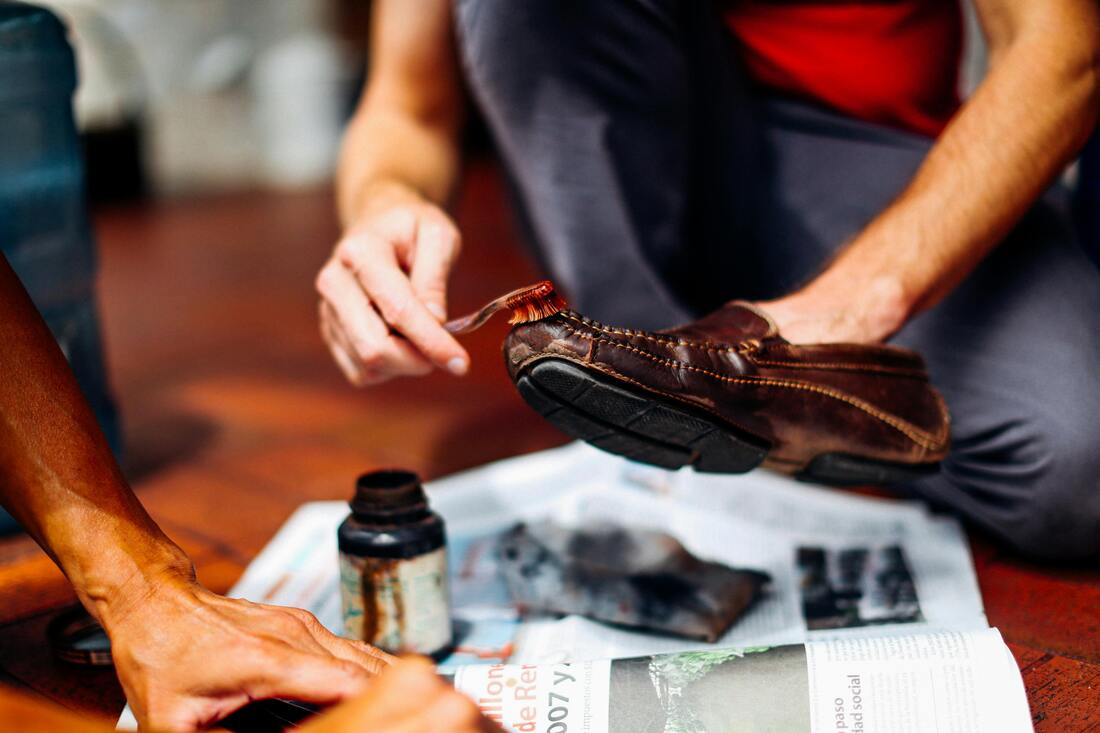
    • Use a cloth or dauber to apply a thin, even layer.
    • Focus on small circular motions to help it absorb.
  4. Let It Sit
    • Allow the polish to soak into the leather for 10–15 minutes.
  5. Buff the Shoe
    • Use a horsehair brush to buff in quick, firm strokes.
    • For extra shine, follow up with a soft cloth.
  6. (Optional) Spit Shine or Mirror Shine
    • For high gloss: Use tiny amounts of water + wax polish + repeated buffing with a cloth.


​🎨 Color Matching Tips
  • Choose a color closest to the original leather.
  • Use neutral (clear) polish for multicolor or hard-to-match shoes.
  • Dark polishes can darken leather permanently—test in an inconspicuous area first.

✅ Benefits of Regular Shoe Polishing
  • Restores and maintains color.
  • Adds a protective layer against water, salt, and dirt.
  • Extends the life of the leather.
  • Improves overall appearance and presentation.
  • Prevents leather from drying and cracking.

Picture
⚠️ Common Mistakes to Avoid
  • Over-polishing (can clog pores and reduce breathability).
  • Using colored polish on the wrong leather shade.
  • Skipping cleaning—traps dirt under polish.
  • Applying too much polish at once.
  • Using liquid polish on fine leather (can crack over time).

📅 How Often to Polish?
  • Daily wear (formal shoes): Light polish once a week, deep polish monthly.
  • Occasional use: Monthly or as needed.
  • Leather boots or rugged footwear: Less frequently; prioritize conditioning.

🧽 Shoe Polish Alternatives (Natural or DIY Options)
  • Beeswax & coconut oil mixture: For conditioning and mild shine.
  • Banana peel (inner side): Emergency shine (wipe and buff).
  • Olive oil: Temporary shine but not recommended long-term.
  • Vinegar + water: Light cleaner before polishing.

🧼 Removal or Stripping of Old PolishIf layers build up over time:
  • Use saddle soap, rubbing alcohol, or special leather cleaner.
  • Gently scrub and wipe off before reapplying polish.

🔒 Storage & Care of Polish
  • Keep containers sealed tightly.
  • Store in cool, dry place to prevent drying or hardening.
  • If dried out, a few drops of solvent (like turpentine) may revive it (for wax polish).
  • Shoe Polish
  • About
  • Contact
  • Privacy Policy